
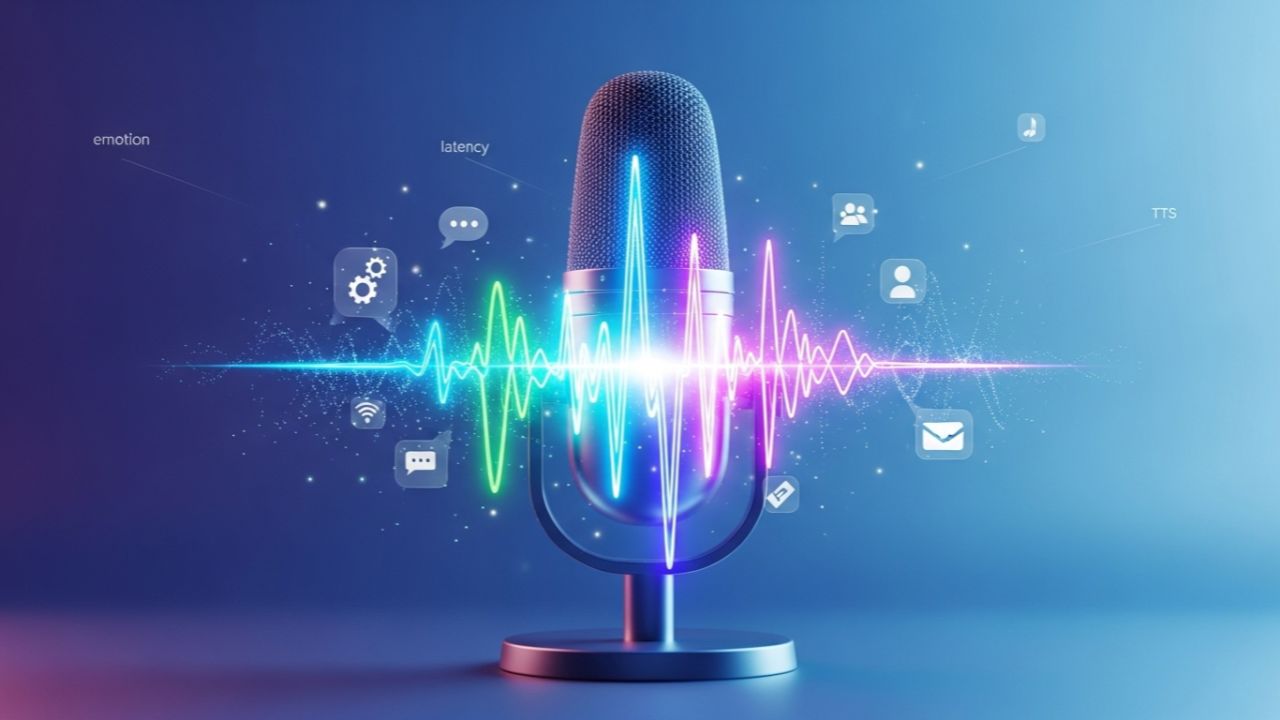
AI audio tools have rapidly moved from experimental technology to everyday utilities. They are now used for transcription, podcast editing, voice cloning, dubbing, noise reduction, meeting summaries, and even music generation. While these tools promise speed and convenience, users often notice a gap between what the tools claim to deliver and what they actually produce. This difference is commonly referred to as the accuracy gap. Understanding why this gap exists is essential for anyone relying on AI audio tools for professional or creative work.
What Accuracy Means in AI Audio Tools
Accuracy in AI audio tools is not a single concept. It varies depending on the task being performed. For transcription, accuracy refers to how closely the text matches the spoken words. For voice cloning, it means how naturally the generated voice matches the original speaker. In noise reduction, accuracy relates to removing unwanted sounds without damaging the main audio. Each use case has its own definition of success, which makes accuracy harder to measure and standardize.
Table of Contents
Why the Accuracy Gap Exists
The accuracy gap exists primarily because audio is complex and unpredictable. Human speech varies by accent, speed, emotion, and environment. Background noise, overlapping voices, and low-quality microphones further complicate processing. AI models are trained on large datasets, but no dataset can fully capture the diversity of real-world audio. As a result, models perform well in controlled scenarios but struggle when conditions deviate from their training data.
Training Data Limitations
AI audio systems learn patterns from the data they are trained on. If that data lacks regional accents, informal speech, or mixed languages, the system will make more errors in those situations. This is especially noticeable for non-native English speakers or multilingual conversations. Even high-quality datasets tend to favor clear, studio-like recordings, which are very different from phone calls, outdoor interviews, or crowded rooms.
Context and Meaning Challenges
Audio accuracy is not just about recognizing sounds; it is also about understanding meaning. AI struggles with context, sarcasm, idioms, and industry-specific terminology. For example, the same word can have different meanings depending on context, and AI may choose the wrong interpretation. In transcription and summarization tools, this often leads to technically correct words but incorrect meaning, which can be more damaging than obvious errors.
Real-Time Processing Constraints
Many AI audio tools operate in real time or near real time. This speed requirement forces trade-offs. Models may skip deeper analysis to deliver faster results, which can reduce accuracy. Real-time transcription during meetings or live events is particularly vulnerable, as the system has no opportunity to revisit or correct earlier mistakes once the audio has passed.
Hardware and Environment Factors
The quality of input audio plays a major role in accuracy. Poor microphones, compressed audio files, unstable internet connections, and echo-filled rooms all reduce performance. AI tools cannot fully compensate for bad input. While humans can often infer missing words or sounds, AI systems rely strictly on signal clarity, making them less forgiving in imperfect environments.
Overconfidence in AI Output
One of the most overlooked aspects of the accuracy gap is user trust. AI audio tools often present results confidently, without highlighting uncertainty. This can give users a false sense of reliability. When mistakes are subtle, such as small transcription errors or slightly unnatural voice tones, users may not notice them immediately, leading to miscommunication or reputational risks.
How Developers Are Trying to Close the Gap
Developers are working to reduce the accuracy gap through better training data, adaptive models, and user feedback loops. Some systems now allow corrections that help retrain the model over time. Others use hybrid approaches, combining AI automation with optional human review. Improvements in hardware integration and noise-handling algorithms are also helping, but progress is gradual rather than instant.
What Users Can Do to Reduce Errors
Users are not powerless in this process. Providing clean audio, reviewing outputs carefully, and using AI tools as assistants rather than final decision-makers can significantly reduce risk. Choosing the right tool for the right task and understanding its limitations is more effective than expecting perfect results from a single solution.
Conclusion
The accuracy gap in AI audio tools is not a flaw that can be eliminated overnight. It is the result of complex audio environments, limited training data, contextual challenges, and real-time constraints. While AI audio technology continues to improve, it still requires informed human oversight. By understanding why inaccuracies occur and how to manage them, users can take advantage of AI audio tools without falling victim to their limitations.

Mark Chen is a technical product writer and editor who has spent a decade designing and documenting writing tools, editor plugins, and productivity workflows for publishers and SaaS teams. His professional background includes product management for AI-assisted drafting features, leading UX writing initiatives, and creating in-depth tool guides and tutorials. Expertise: content strategy, user-focused documentation, prompt engineering for writing assistants, and tutorial design. He has authored widely used tool guides, contributed to industry blogs, and led workshops.