
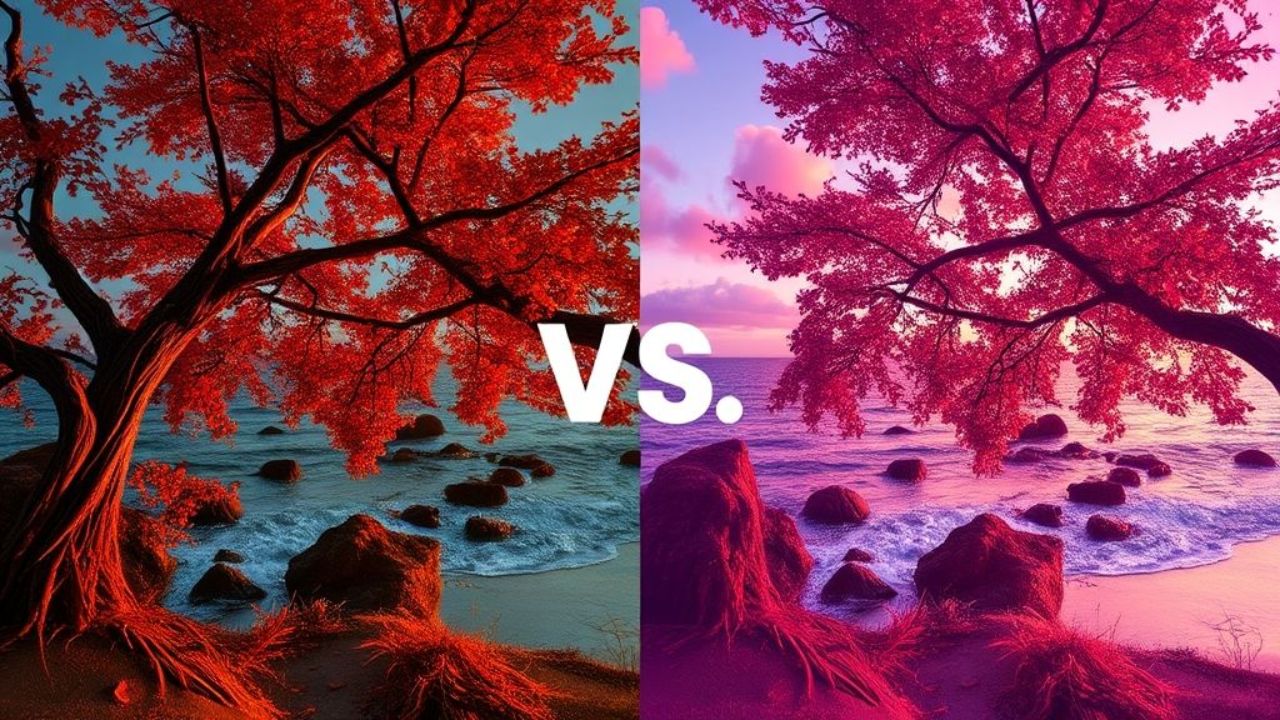
Comparing AI Image Outputs Across Different Styles has become increasingly important as AI image generators are now used by designers, marketers, educators, and content creators across many industries. While most people focus on which tool they are using, the style selected often has a much bigger impact on the final output. The same prompt can produce dramatically different results depending on whether the style is photorealistic, artistic, minimalist, or illustrative.
This article explores how AI image outputs change across popular styles, what each style is best suited for, and how to choose the right one for your creative goals.
Table of Contents
Understanding Style in AI Image Generation
In AI image generation, “style” refers to the visual language applied to an image. This includes elements like color palette, texture, lighting, composition, realism, and artistic interpretation. AI models are trained on vast image datasets, allowing them to mimic everything from realistic photography to hand-drawn illustrations or abstract art.
Choosing a style is not just an aesthetic decision. It directly affects how viewers perceive the image, how believable it looks, and how effective it is for its intended purpose.
Photorealistic Style Outputs
Photorealistic styles aim to replicate real-world photography as closely as possible. These outputs often include natural lighting, realistic skin textures, accurate shadows, and lifelike environments.
This style works best for product mockups, lifestyle visuals, architectural previews, and marketing creatives where realism builds trust. However, photorealistic outputs are also the most sensitive to prompt quality. Vague descriptions can result in awkward anatomy, inconsistent lighting, or unnatural facial expressions.
Photorealism performs especially well in ads, landing pages, and editorial images where authenticity matters.
Artistic and Painterly Styles
Artistic styles lean into creative interpretation rather than realism. These outputs may resemble oil paintings, watercolor art, digital illustrations, or concept art. Colors are often richer, textures are exaggerated, and realism is intentionally softened.
This style is ideal for storytelling, blog headers, book covers, fantasy scenes, and brand visuals that aim to evoke emotion rather than accuracy. Artistic styles are more forgiving of imperfect prompts, as abstraction hides minor inconsistencies.
The downside is that artistic images may not be suitable where accuracy or realism is required, such as product representation or instructional visuals.
Minimalist and Flat Design Styles
Minimalist AI image styles focus on simplicity. They use clean lines, limited color palettes, flat shapes, and minimal detail. These images are visually calm and easy to understand at a glance.
This style is commonly used for websites, UI elements, infographics, presentations, and educational content. Because there is less visual complexity, minimalist outputs are more consistent and predictable across different prompts.
However, minimalist images may lack emotional depth and may not perform as well in highly visual or expressive storytelling contexts.
Illustration and Cartoon Styles
Illustration-based outputs mimic hand-drawn art, cartoons, or comic-style visuals. Characters often have exaggerated features, bold outlines, and simplified forms.
This style is highly effective for explainer content, children’s education, branding mascots, social media posts, and concept visualization. Illustration styles are also useful when you want to avoid realism entirely, such as representing people without creating real-world likenesses.
The limitation is that illustrated outputs are less flexible for professional or formal use cases, especially where realism or seriousness is required.
Abstract and Experimental Styles
Abstract styles focus on shapes, colors, patterns, and mood rather than recognizable subjects. AI outputs in this category can feel surreal, symbolic, or conceptual.
These styles work well for background visuals, album art, experimental design, and creative exploration. They allow maximum freedom and often produce unique, unexpected results.
Because abstract images lack clear subjects, they are not suitable for instructional, informational, or product-focused content.
How the Same Prompt Changes Across Styles
One of the most fascinating aspects of AI image generation is how a single prompt transforms across styles. A prompt like “a coastal town at sunset” might produce a realistic beach photograph in photorealistic mode, a warm brush-painted scene in artistic style, a flat pastel illustration in minimalist mode, and a dreamy color-based composition in abstract style.
This highlights why style selection should happen before prompt refinement. The goal of the image should dictate the style, not the other way around.
Choosing the Right Style for Your Use Case
To choose the best AI image style, start by defining the purpose of the image. Ask whether realism, emotion, clarity, or creativity matters most. Marketing visuals often benefit from photorealistic or polished artistic styles, while educational content performs better with minimalist or illustrated visuals.
It’s also important to consider platform context. Social media favors bold and expressive styles, while websites and blogs often benefit from cleaner, more structured visuals.
Final Thoughts
Comparing AI image outputs across different styles reveals that style choice is just as important as the AI tool itself. Each style has strengths, limitations, and ideal use cases. By understanding how styles influence realism, emotion, clarity, and perception, creators can produce images that are not only visually appealing but also purpose-driven.
Instead of asking which AI tool is best, the better question is often: which style best communicates the story you want to tell.

Lena Park is a creative technologist specializing in image generation and audio tools, with over eight years leading multimodal AI projects for startups and media studios. Her professional background includes building GAN- and diffusion-based pipelines, designing sample-based synthesis systems, and consulting on audio-visual product roadmaps. Expertise: generative image modeling, neural audio synthesis, model evaluation, and UX for creative tools. She has published white papers on multimodal workflows, spoken at industry conferences, and contributed to open-source toolkits.