
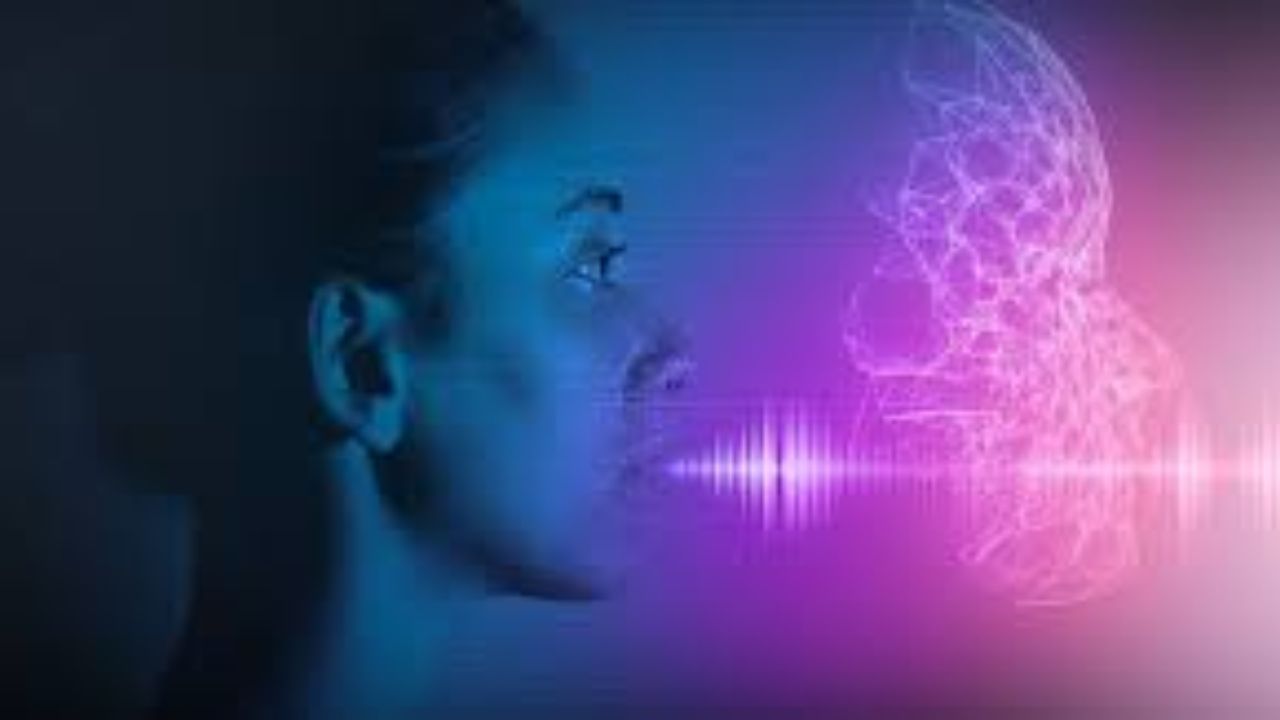
AI voice technology has advanced rapidly in recent years. Tools can now clone voices, generate realistic speech from text, and modify audio with minimal effort. While these capabilities offer clear benefits for accessibility, content creation, and productivity, they also introduce serious ethical challenges. Deepfake audio, in particular, has raised concerns around consent, identity misuse, misinformation, and trust.
Understanding these ethical issues is essential for creators, developers, businesses, and everyday users who interact with AI-generated voice tools.
Table of Contents
What Is AI Voice and Deepfake Audio?
AI voice technology uses machine learning models trained on human speech to generate or replicate voices. Deepfake audio refers to synthetic speech designed to sound like a specific real person, often without listeners being able to tell the difference.
These tools can be used for legitimate purposes such as narration, dubbing, accessibility support, language translation, and voice restoration. However, the same technology can also be misused to impersonate individuals, fabricate conversations, or manipulate public opinion.
Consent and Voice Ownership
One of the most significant ethical concerns is consent. A person’s voice is a core part of their identity, yet many AI tools allow voice cloning using only a short audio sample.
Key ethical questions include:
- Who owns a person’s voice?
- Is public availability of audio the same as permission to clone it?
- Should explicit consent always be required before voice replication?
Without clear consent rules, individuals risk losing control over how their voice is used, reused, or monetized.
Impersonation, Fraud, and Scams
Deepfake audio has already been linked to real-world harm. Scammers have used AI-generated voices to impersonate company executives, family members, and public officials.
Common misuse scenarios include:
- Fake phone calls requesting urgent money transfers
- Audio messages impersonating CEOs or managers
- Fraudulent voice notes targeting elderly or vulnerable people
As AI voices become more realistic, traditional trust signals like “I recognize their voice” are no longer reliable.
Misinformation and Public Trust
Deepfake audio can be weaponized to spread misinformation. Fabricated recordings of politicians, journalists, or public figures can be used to manipulate opinions, incite panic, or damage reputations.
The broader risk is erosion of trust. When people know audio can be faked easily, even real recordings may be dismissed as false. This creates a “liar’s dividend” where genuine evidence is questioned, weakening accountability and public discourse.
Impact on Creators and Voice Professionals
Voice actors, narrators, and broadcasters face growing uncertainty. AI-generated voices can replicate tone, accent, and emotion at scale, often at a lower cost.
Ethical concerns for professionals include:
- Unpaid use of their voice to train models
- Replacement without compensation or credit
- Loss of long-term career sustainability
Without clear licensing frameworks, creators risk exploitation while companies benefit from their vocal identity.
Transparency and Disclosure
Another ethical issue is lack of disclosure. When listeners are not told that audio is AI-generated, it can be misleading even if the content itself is harmless.
Best ethical practices suggest:
- Clear labeling of AI-generated or synthetic audio
- Disclosure when voices are cloned or altered
- Avoiding deceptive use in news, politics, or sensitive communication
Transparency helps maintain trust and allows audiences to make informed judgments.
Bias, Accuracy, and Cultural Sensitivity
AI voice models are trained on large datasets that may reflect biases in accent, language, gender, or tone. This can lead to:
- Underrepresentation of certain accents or languages
- Stereotypical or unnatural speech patterns
- Lower accuracy for non-dominant languages
Ethical AI voice design requires diverse training data and ongoing evaluation to prevent reinforcing cultural or social bias.
Legal Gaps and Regulation Challenges
Many regions lack clear laws governing AI voice cloning and deepfake audio. Existing laws on identity theft, defamation, or copyright often do not fully address synthetic media.
Key challenges include:
- Difficulty proving harm or intent
- Cross-border enforcement issues
- Rapid technological change outpacing regulation
Some countries and platforms are beginning to introduce disclosure rules and consent requirements, but global standards remain fragmented.
Responsible Use and Best Practices
Ethical use of AI voice tools is possible with the right safeguards. Responsible practices include:
- Obtaining explicit consent before cloning any voice
- Using synthetic or licensed voices for commercial projects
- Avoiding impersonation of real individuals without permission
- Clearly labeling AI-generated audio
- Staying informed about local laws and platform policies
Developers also carry responsibility to build safeguards, watermarking systems, and abuse detection into their tools.
Conclusion
AI voice and deepfake audio technologies are powerful, creative, and transformative. At the same time, they challenge fundamental ideas about identity, trust, and authenticity. The ethical concerns are not theoretical; they already affect individuals, businesses, and society.
Balancing innovation with responsibility requires clear consent, transparency, fair compensation, and thoughtful regulation. Used ethically, AI voice tools can enhance creativity and accessibility. Used carelessly or maliciously, they risk undermining trust in one of the most human signals we rely on: the voice.

Lena Park is a creative technologist specializing in image generation and audio tools, with over eight years leading multimodal AI projects for startups and media studios. Her professional background includes building GAN- and diffusion-based pipelines, designing sample-based synthesis systems, and consulting on audio-visual product roadmaps. Expertise: generative image modeling, neural audio synthesis, model evaluation, and UX for creative tools. She has published white papers on multimodal workflows, spoken at industry conferences, and contributed to open-source toolkits.