
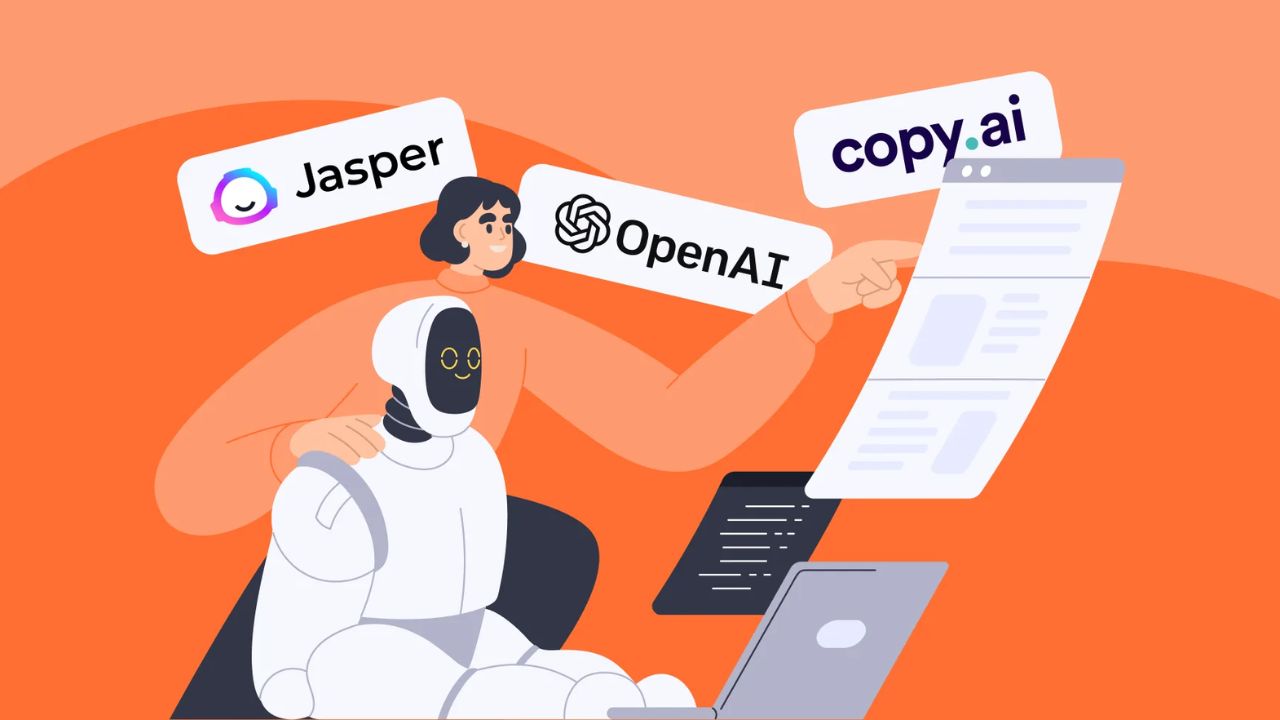
AI writing tools have moved far beyond simple text generation. Today, they help bloggers publish faster, marketers create high-converting ads, and SEO teams build scalable content workflows without sacrificing quality. The key is choosing tools that fit your goal: long-form blogging, persuasive ad copy, or search-optimized articles.
This guide breaks down the best AI writing tools for blogs, ads, and SEO content, based on real-world use, output quality, and workflow flexibility.
Table of Contents
Why Use AI Writing Tools in 2026
AI tools are no longer about replacing writers. They are about speed, structure, and consistency.
Used correctly, AI writing tools help you:
- Generate first drafts faster
- Overcome writer’s block
- Maintain consistent tone across content
- Optimize articles for SEO at scale
- Test multiple ad variations quickly
The best results come from combining human editing with AI assistance.
Best AI Writing Tools for Blogging
ChatGPT
ChatGPT is one of the most flexible tools for bloggers. It excels at idea generation, outlines, long-form drafts, rewrites, and content expansion.
Best for:
- Blog outlines and first drafts
- Explaining complex topics simply
- Rewriting content for clarity
- FAQs, introductions, and conclusions
Strengths:
- Natural tone
- Strong contextual understanding
- Works well with custom prompts
Limitations:
- Requires manual SEO optimization
- Needs fact-checking for accuracy
Best AI Writing Tools for Ads & Marketing Copy
Jasper
Jasper is built specifically for marketers. It shines when creating ad copy, landing pages, and branded content with a consistent voice.
Best for:
- Facebook and Google Ads
- Landing page headlines
- Email marketing sequences
- Brand-tone writing
Strengths:
- Brand voice memory
- Conversion-focused templates
- Fast short-form output
Limitations:
- Higher pricing than general AI tools
- Less flexible for technical blogging
Copy.ai
Copy.ai focuses on speed and simplicity. It is ideal for teams that need quick marketing content without complex setup.
Best for:
- Ad variations
- Product descriptions
- Social media captions
Strengths:
- Beginner-friendly
- Large template library
- Quick ideation
Limitations:
- Long-form content needs heavy editing
- Less control over structure
Best AI Writing Tools for SEO Content
Surfer SEO
Surfer SEO is not a pure writing tool but an essential companion for SEO-focused content. It helps align AI-generated text with ranking factors.
Best for:
- On-page SEO optimization
- Keyword density control
- Content scoring
Strengths:
- Data-driven recommendations
- SERP-based analysis
- Works with other AI tools
Limitations:
- Requires another writing tool
- Learning curve for beginners
Frase
Frase combines research, outlining, and AI writing. It is especially useful for informational and comparison articles.
Best for:
- SEO blogs and guides
- Research-heavy content
- Featured snippet targeting
Strengths:
- Strong SERP research
- Question-based outlines
- Good balance of AI + SEO
Limitations:
- UI can feel dense
- Output still needs human polish
Best All-in-One AI Writing Tool
Writesonic
Writesonic aims to cover blogs, ads, and SEO in one platform. It is popular with small teams and solo creators.
Best for:
- Blog posts and landing pages
- Ads and marketing copy
- SEO-friendly drafts
Strengths:
- Multiple content formats
- Affordable plans
- Built-in SEO features
Limitations:
- Output quality varies by template
- Needs prompt tuning for best results
How to Choose the Right AI Writing Tool
Before selecting a tool, ask yourself:
- Do you need long-form blogs or short ads?
- Is SEO ranking a priority?
- Do you need brand voice consistency?
- Are you working solo or with a team?
For best results:
- Use ChatGPT or Writesonic for drafting
- Use Jasper or Copy.ai for ads
- Pair writing tools with Surfer SEO or Frase for ranking
Common Mistakes to Avoid
Many users struggle with AI writing because of poor workflows.
Avoid:
- Publishing AI content without editing
- Ignoring SEO structure and intent
- Using one tool for every task
- Overloading articles with keywords
AI works best as a co-writer, not an autopilot.
Final Thoughts
AI writing tools have become essential for blogs, ads, and SEO content in 2026. The strongest creators are not those who use the most tools, but those who use the right tool for the right job.
With clear prompts, proper editing, and ethical use, AI can dramatically improve content quality, consistency, and output speed. The future of writing is not AI versus humans — it is AI working alongside skilled creators.

Mark Chen is a technical product writer and editor who has spent a decade designing and documenting writing tools, editor plugins, and productivity workflows for publishers and SaaS teams. His professional background includes product management for AI-assisted drafting features, leading UX writing initiatives, and creating in-depth tool guides and tutorials. Expertise: content strategy, user-focused documentation, prompt engineering for writing assistants, and tutorial design. He has authored widely used tool guides, contributed to industry blogs, and led workshops.